Loss of Appetite in Elderly Adults: When It's More Than Just Aging
Seniors are more likely to report appetite issues than other age groups. But it's often due to more than aging. The causes can vary widely, ranging from dehydration to lack of exercise.
Why is loss of appetite in elderly adults so worrisome? Simple: proper nutrition is a cornerstone of aging well and remaining independent for longer. A balanced diet supports nearly every system in your body, but it's particularly crucial for:
- Controlling chronic diseases
- Maintaining bone density and muscle mass
- Supporting brain health and memory
Though seniors require fewer calories, many still don't meet their nutritional needs. Read on to find out why this happens and what you can do about it in Marble Falls, TX!
What Is the Cause of Loss of Appetite?
It's no secret that the definition of healthy eating changes with age. Here are some common reasons why seniors, in particular, may experience a loss of appetite:
1. Dehydration
Dehydration is a common issue in senior nutrition. Studies show that adults over 65 have the highest hospital admission rates for dehydration. Some seniors also mistake dehydration for hunger, as they have similar signals.
The causes of dehydration can range from forgetfulness to a sedentary lifestyle. Regardless of the cause, dehydration can lead to many serious health conditions, including kidney stones and urinary tract infections (UTIs).
2. Difficulty Chewing
Seniors who struggle with chewing their food often have dental issues, such as dry mouth or ill-fitting dentures. Sometimes, however, chewing difficulties may be related to a neurological issue. Common examples include:
- Stroke
- Dementia
- Multiple sclerosis
- Parkinson's disease
3. Food Aversion
Changes in the type of food offered can also lead to an appetite decline. If you reside in an assisted living community, for instance, you may be served foods you don't particularly like. The same applies to dealing with a new meal schedule.
This is why it's essential to opt for a living community that's a good fit for your diet. The best communities will have a tasty menu and accommodate your dietary needs, along with providing you with the support you need.
4. Loss of Taste
After turning 60, people experience a variety of physiological changes that often lead to a loss of taste. Though this is natural, the effect can be exacerbated by taking multiple medications or dealing with a chronic disease.
Oftentimes, taste loss will cause bitter and sour flavors to be more pronounced. At the same time, you're less likely to appreciate sweet and salty tastes. This may cause seniors to eat less or opt for foods that are lacking in nutrition.
5. Sensitivity to Smells
Your sense of smell is another thing that may diminish with age. This is also known as presbyosmia, and it's caused by decreased mucus production and reduced nerve endings. Other causes of loss of smell in seniors include:
- Neurodegenerative diseases
- Poor reaction to medication
- Nasal/sinus issues, such as polyps
6. Depression
Depression is one of those early wellness signs that many seniors ignore. It's more common than you may think, affecting 13.5% of seniors who require home care. In many cases, it will also lead to a loss of appetite.
Like any other illness, depression requires treatment. Social engagement can be a big part of it, which is another point for joining a senior living community. You may also benefit from psychotherapy or antidepressants, such as SSRIs.
What to Do When the Elderly Lose Appetite?
If you're dealing with a loss of appetite, the first thing you should do is rule out medical issues. Talk to a doctor to learn more about your condition.
If your appetite problem isn't medical in nature, there are some things you can do to make the idea of eating more appealing. For instance, here are a few dietary and nutritional strategies you can try:
- Eat smaller: Focus on eating five to six smaller, nutrient-dense meals throughout the day rather than three large ones.
- Enhance flavor: Use fresh herbs and spices to improve the taste of your food, especially if your sense of smell and taste have faded.
- Boost your nutrients: Add high-protein foods (eggs, cheese) and healthy fats (butter, olive oil) to your meals.
Changes to your routine can also go a long way to increase your appetite. This may include making your meals more social or reducing distractions during meals.
Frequently Asked Questions
Is It Normal to Lose Your Appetite as You Get Older?
Yes, appetite changes are a fairly common part of growing older. According to Pilgrim et al. in Nursing Older People, about 15 to 30% of seniors experience appetite loss, also known as anorexia of aging. A gradual decline can be normal, but a sudden lack of hunger is cause for alarm.
When to Seek Help About the Loss of Appetite?
If you're experiencing a noticeable decline in appetite, it's always a good idea to talk to your primary care physician. This is particularly important if you've recently lost a lot of weight or seem to have less energy than usual.
Your doctor can review your medications and evaluate you for underlying issues. They can also recommend the best lifestyle and dietary changes for your needs. If you live in a senior community, they may have some caregiver tips as well.
What Is a Good Snack for Someone With No Appetite?
For seniors with no appetite, the best snacks should be easy to digest and prepare. It also helps if they're nutrient-dense, high-calorie foods. Here are some examples of healthy snacks that are still perfectly tasty:
- High-calorie snacks: nuts, biscuits, dried fruit
- Dairy and protein: Greek yogurt, smoothies, cottage cheese
- Easy-to-chew foods: boiled eggs, green or black tea, avocado
Dealing With Loss of Appetite in Elderly Adults
The bottom line: loss of appetite in elderly adults can be a symptom of underlying medical issues. Even if this isn't the case, it's still important to uncover the cause of this problem and address it as soon as possible.
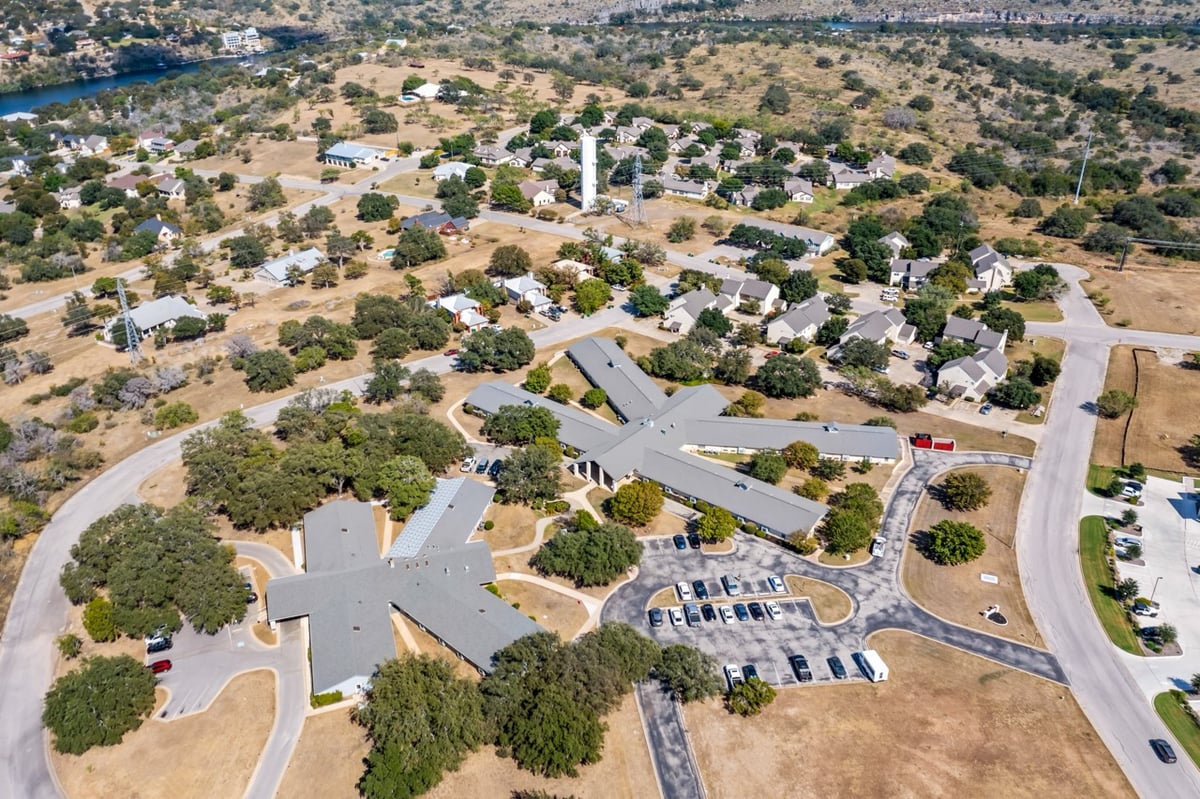
At Gateway Villas & Gateway Gardens, we take appetite loss seriously. In our assisted living community, you'll have access to personalized assistance whenever you need it. We also provide delicious, chef-prepared meals every single day!
Thinking of joining our community? Contact us here to review our exclusive senior living options or schedule a tour of our scenic Texas Hill Country community!